
Last updated November 15, 2026
 AC repair
 Furnace & heating
 Heat pumps
 Ductless mini splits
 Carrier
 Trane
 Goodman
Seasonal tune-up and full diagnostic on your Carrier, Trane, or Goodman system - readings shown to you before any repair is proposed
Diagnosis first, numbers second - you approve the repair price before a single part goes in.
Get your free estimateSeasonal HVAC Care for Boca Raton: Year-Round Homeowner’s Guide
Most homeowners here think of HVAC care as one long cooling job with a short break in the middle. That’s the misconception worth correcting first. Boca Raton doesn’t run on four even seasons. It runs on two intense ones – a long cooling season and a short but real heating window – with two mild transitional stretches between them. Those transitions are when the smart work happens, because that’s the only time you can service both sides of your system without living in discomfort while the equipment is down. October feels like a break for the AC. It isn’t. It’s your best window to get ahead of the failures that show up in January and July. This guide walks through a month-by-month calendar built for this climate, explains why the April-May stretch is the highest-value maintenance window of the year, and covers the duct, humidity, and landscaping tasks that a generic national checklist will never mention. Everything here is written from Boca Raton, for Boca Raton.
Quick Answer
Seasonal HVAC care in Boca Raton should follow the local climate, not a national template: service the cooling side in April and May before peak heat, check the heating side (heat strips or heat pump) in October and November before the one cold week that usually arrives in January, and handle duct and outdoor-unit tasks at both transitions. The two mild windows are when you can do the work without sweating through a service visit or shivering through a repair.
Styles & brands we work with
- AC repair
- Furnace & heating
- Heat pumps
- Ductless mini splits
- Carrier
- Trane
- Goodman
Table of Contents
- Why Boca Raton’s HVAC Year Has Two Real Seasons, Not Four
- The Month-by-Month HVAC Calendar for Boca Raton
- The April-May Window: Why It’s the Highest-Value Maintenance Period
- October-November: The Heating Prep Most Boca Raton Homeowners Skip
- Humidity Swings, Duct Condensation, and Indoor Air Quality
- Landscaping and Outdoor Unit Clearance: A Year-Round Job Here
- Repair or Replace? Timing It Around the Local Season
- What a Real Seasonal Tune-Up Should Include
Why Boca Raton’s HVAC Year Has Two Real Seasons, Not Four
The standard seasonal advice you’ll find online assumes a northern pattern: a hot summer, a cold winter, and months of shoulder season in between where the system sits idle. That’s not how it works in Boca Raton. Cooling season here is long and demanding, running from roughly April through October. Heating season isn’t a season at all – it’s a handful of cold snaps, most likely in January, sometimes stretching into a February morning. In between are two transitional windows, one in spring and one in fall, where the outdoor temperature is mild enough that you can take equipment offline for a few hours without anyone suffering.
That shape matters for maintenance. A northern homeowner has months of genuinely idle time to schedule work. A Boca Raton homeowner has two narrow windows, and if you miss them, the next opportunity comes with the system running full tilt and nobody willing to shut it down. The cooling side carries most of the annual workload here, so it gets first attention. But the heating side doesn’t get a pass just because it runs a few weeks a year. A heat strip or heat pump that’s been sitting since last January can fail on the first cold night, and those are the calls that stack up fast.
Understanding this two-season-plus-transitions pattern is the foundation for everything below. Once you see the year this way, the calendar writes itself.
- Long cooling season: the equipment that runs the most, needs the most, and fails the most if neglected.
- Short heating window: rarely used, easily forgotten, and the source of the most surprising failures.
- Two transitional windows: April-May and October-November, when both sides can be serviced comfortably.
The Month-by-Month HVAC Calendar for Boca Raton
Here’s a practical calendar tuned to how this climate actually behaves. It won’t match a generic national checklist, and that’s the point.
- January – February: The cold-snap window. Heating runs for real. Watch for a heat pump that blows cool air, or a heat strip that takes too long to warm up. If the heat fails here, that’s a call worth making immediately.
- March: Cooling season starts warming up. Early season is a reasonable time for a first filter check and a listen to the outdoor unit as it wakes up for the year.
- April – May: The spring transition. The highest-value maintenance window of the year. Full cooling-side service, coil cleaning, refrigerant check, duct inspection. More on this below.
- June – September: Peak cooling season. Keep filters clean, keep the outdoor unit clear, and address any small performance issue fast before it becomes a mid-summer failure.
- October – November: The fall transition. The heating-side prep window, plus a second duct and humidity check as the air dries out and cooling load drops.
- December: Cooler, quieter, and the time to plan any equipment replacement so it’s not forced during the January cold snap.
Two seasonal touchstone points do most of the work: the spring transition in April-May and the fall transition in October-November. Those are the windows where you can inspect, service, and repair without discomfort. Choose to ignore them and you’re scheduling work during the hottest or coldest weeks of the year, when every other homeowner is calling at the same time.
The April-May Window: Why It’s the Highest-Value Maintenance Period
April and May are the most valuable maintenance weeks of the year in Boca Raton, and most homeowners let them pass. Here’s why they matter. The outdoor temperature is warm but not punishing, which means the system can be taken down for an inspection or coil cleaning without leaving the house uncomfortable. Cooling season is coming, and the work you do now determines whether the system handles the load or limps through it. And the diagnosis side is easier – a technician can catch a refrigerant issue, a failing capacitor, or a dirty evaporator coil before it becomes a mid-July emergency, when the whole neighborhood is calling at once.
What specifically belongs in the April-May service:
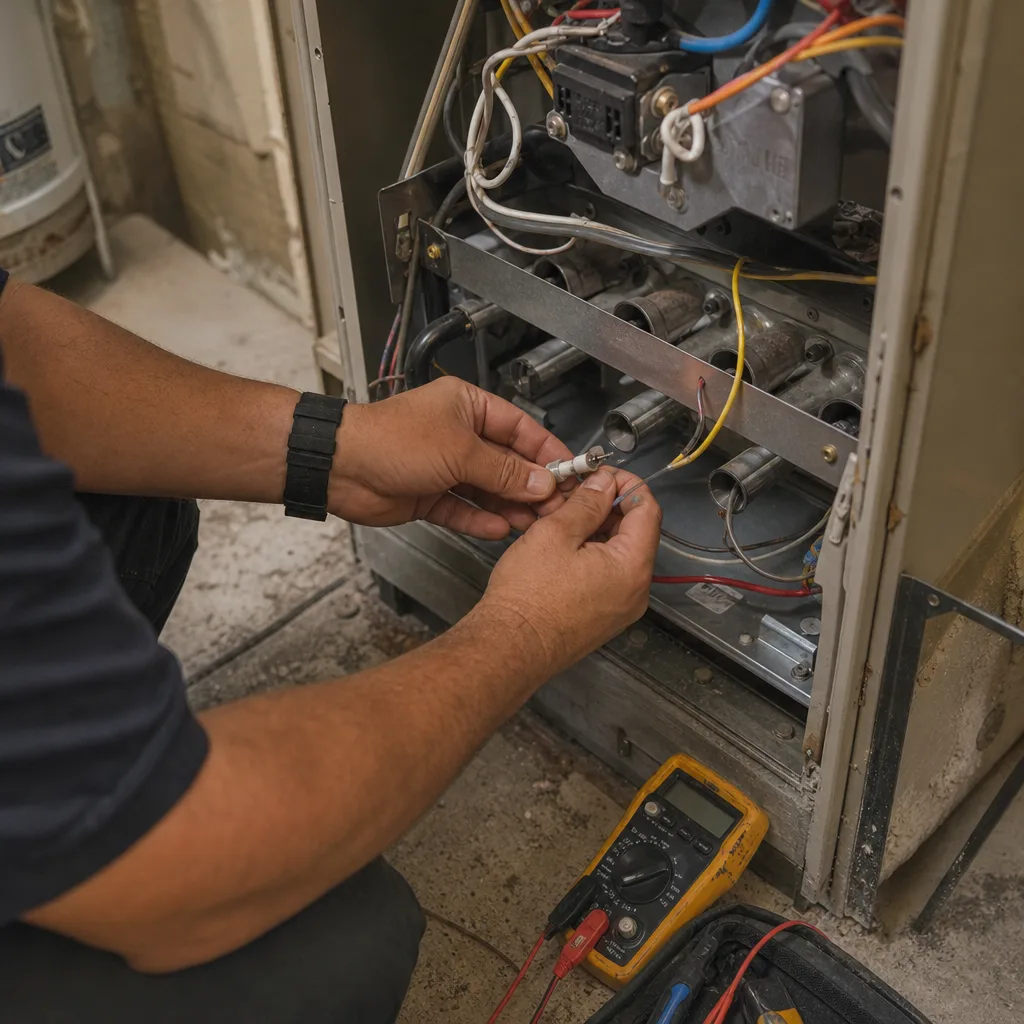
- A full cooling-side tune-up: filter, blower, evaporator coil, condenser coil, refrigerant charge, and electrical connections.
- Duct inspection while humidity is still moderate – looking for gaps, disconnected runs, and signs of condensation inside the attic or crawl.
- Condensate drain clearing and float switch testing, before the heavy summer condensate load.
- A test of the thermostat in cooling mode, including a check that it’s actually reaching setpoint rather than running continuously.
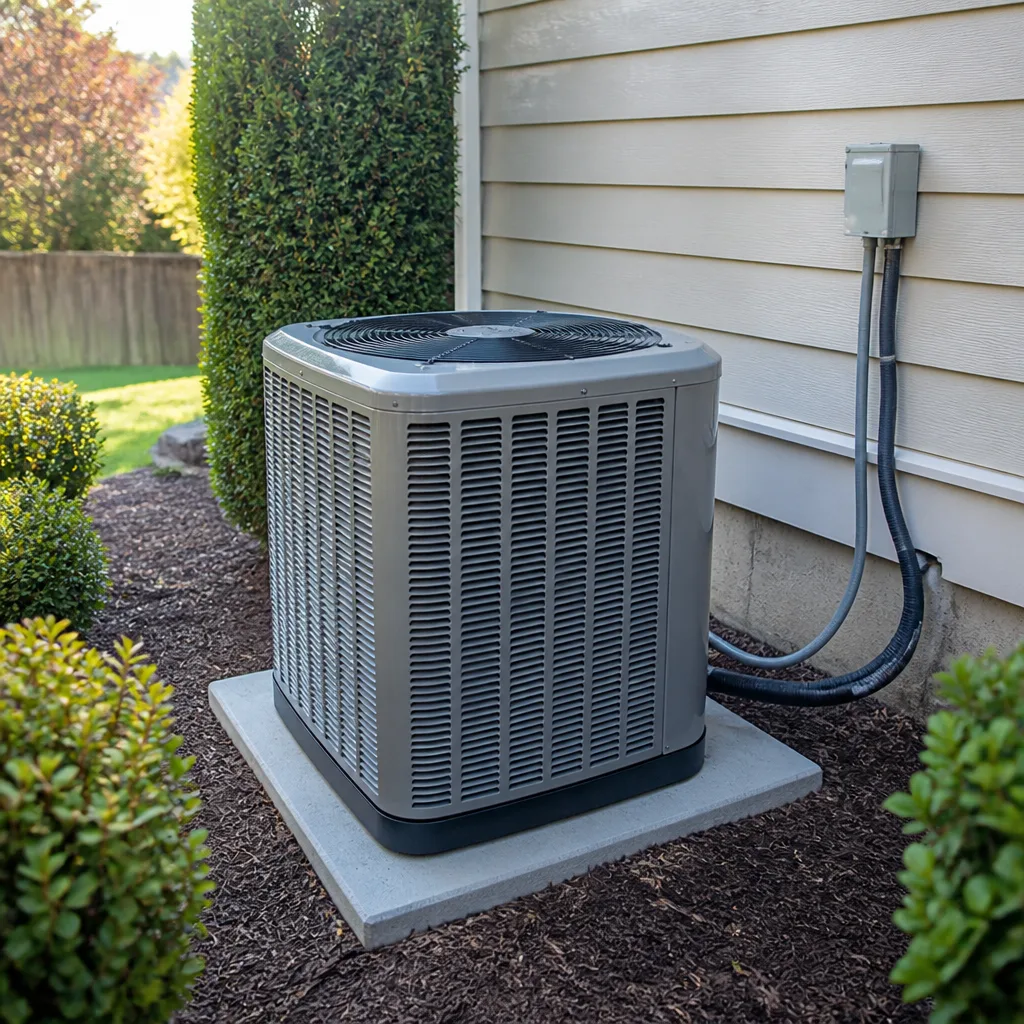
- Outdoor unit clearance check, since spring growth is when landscaping starts crowding the condenser.
If you’ve been thinking about scheduling AC installation or a replacement, this is also the logical planning window. A new system can be quoted and scheduled without the pressure of a failed unit in peak heat. Brand-familiar technicians who work on Carrier, Trane, Lennox, Goodman, Rheem, York, Daikin, Bryant, and American Standard can look at a system on its last legs and tell you honestly whether another summer is realistic. April and May give you room to choose, rather than being forced into a decision on a 95-degree afternoon.
Our technicians have up to experience, and the pattern is the same every year: the systems that got April attention make it through August without a call, and the ones that didn’t tend to show up in the dispatch log by July.
October-November: The Heating Prep Most Boca Raton Homeowners Skip
October in Boca Raton feels like the system finally gets a break. It doesn’t. Cooling load drops, humidity eases, and the temptation is to shut off attention along with the AC. But this is precisely the window to check the heating side before the one cold week in January that tests it. The heating side is easy to forget because it runs so briefly, and that’s the problem: a heat pump or heat strip that sat unused since last winter can fail on the first genuinely cold morning, and by then the schedule is packed.
What to check during the October-November window:
- Heat pump reversing valve and defrost: a heat pump that switches to heating mode needs its reversing valve and defrost cycle tested, not just assumed.
- Heat strip amperage and sequencer: heat strips should pull their rated current and stage up cleanly. A weak strip warms slowly or not at all.
- Thermostat heat mode: confirm the thermostat actually calls for heat and reaches setpoint, not just that it displays “heat.”
- Emergency heat lockout: if the auxiliary heat isn’t kicking in when needed, that’s a January failure waiting.
- Filter and airflow on the heat side: restricted airflow hits heating just as hard as cooling.
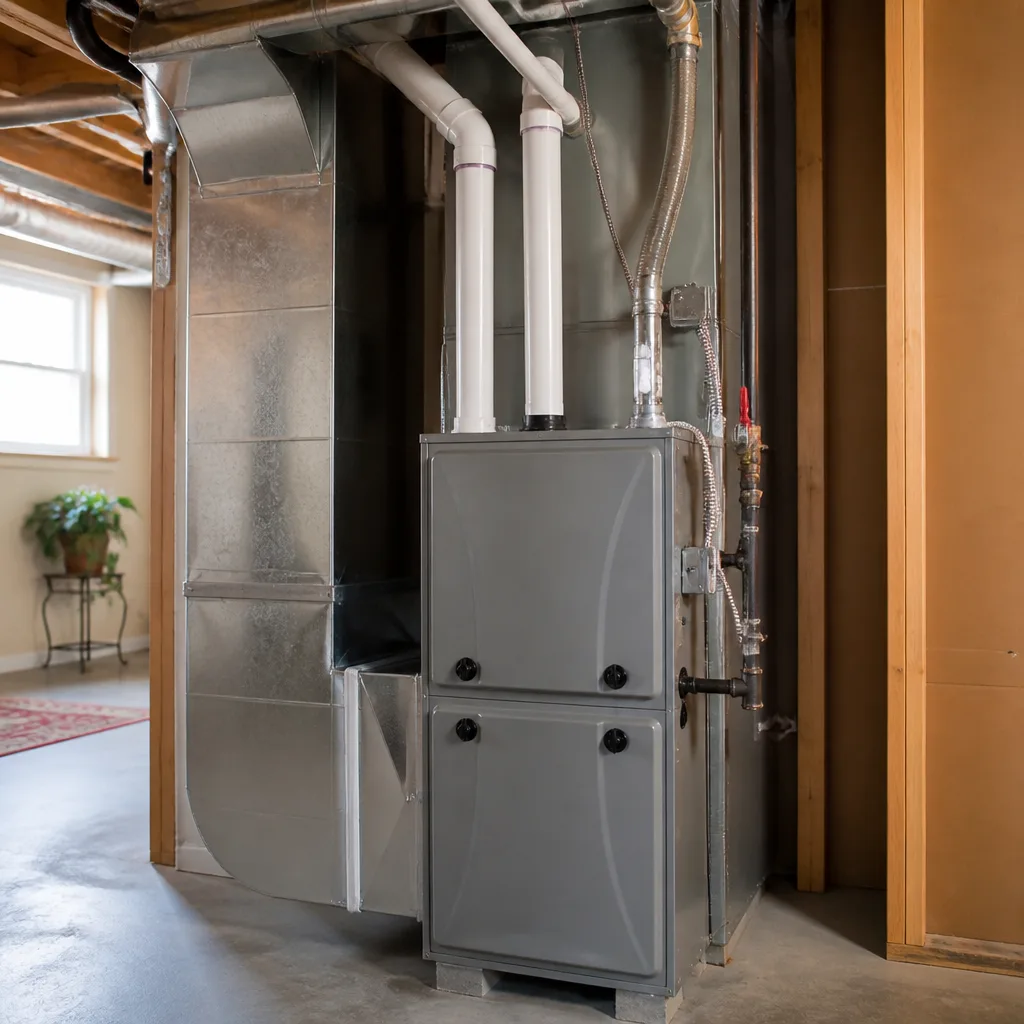
We’ve seen the pattern enough times to expect it: October comes, nobody touches the furnace, and January delivers a cold snap that exposes every skipped check. The fix is to move that check forward, while the weather is mild and the schedule is open. Some Boca homes use a heat pump, others a furnace with strips, and some use a dual-fuel setup – the specific test differs by equipment, which is why it helps to have a technician who knows the actual system, not one who only knows a single brand. If the heating side does need work, furnace repair in the fall is a scheduling convenience; in a January cold snap it’s a scramble.
Humidity Swings, Duct Condensation, and Indoor Air Quality
South Florida’s humidity swings have a direct effect on your ducts and your indoor air, and each transition calls for a different maintenance response. During the wet season, warm humid air meets cold ductwork in an attic or unconditioned space and condenses. That condensation soaks insulation, feeds mold growth, and eventually rusts duct connections. During the dry season, the same ducts contract and settle, and small gaps that were invisible in the summer start leaking conditioned air into the attic.
Here’s how to think about the maintenance response for each transition:
- Spring transition (April-May): inspect ducts for existing condensation stains, check insulation wrapping, seal gaps, and make sure the condensate drain handles the coming load.
- Peak summer: monitor indoor humidity. If it climbs above 55-60%, the system is either short-cycling, oversized for the space, or losing conditioned air to leaky ducts.
- Fall transition (October-November): re-inspect ducts as the air dries. Seal any new gaps, clean or replace filters after the heavy summer run, and check return-air pathways.
- Winter cold snaps: when heating runs, watch for condensation on the cool side of ducts, which can happen when a heat pump runs in cold weather.
Indoor air quality follows the same rhythm. Dust, pollen, and mold spores accumulate through the summer, and the fall transition is the natural time to clean or replace filters and consider a higher-MERV option if anyone in the home has allergies. Duct cleaning isn’t a universal recommendation, but if you see visible condensation damage or mildew smell, it’s worth inspecting.
Landscaping and Outdoor Unit Clearance: A Year-Round Job Here
The growing season in Boca Raton never fully stops, which means outdoor unit clearance isn’t a spring-only task. A condenser needs airflow to reject heat. In this climate, hedges, palms, and vines grow most of the year, and a unit that was clear in March can be crowded by July. When the condenser is boxed in by vegetation, the system runs hotter, works harder, and fails sooner, and it’s one of the easiest problems to prevent.
What to do, and when:
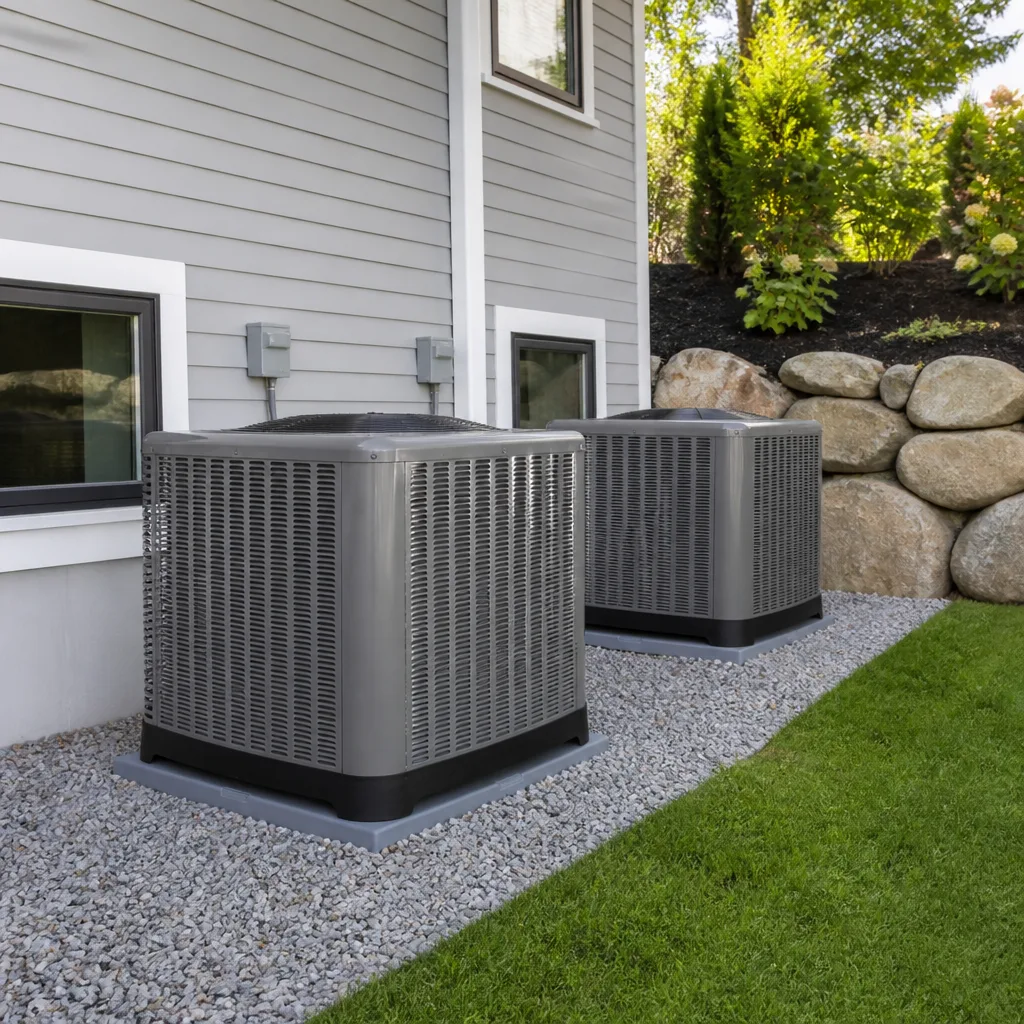
- Clear at least two feet of space around the condenser on all sides, and keep the top unobstructed – most manufacturers call for several feet above the unit.
- Trim back planting in March and April before the cooling season load builds, and check again after summer growth.
- Rake and clear leaves and debris from the base of the unit – a blocked base can trap moisture and draw pests.
- Do a light check in October before fall growth puts new pressure on clearance.
- Keep mulch, irrigation heads, and landscape edging from encroaching on the unit – water spraying into the condenser accelerates corrosion.
Coil cleaning should be scheduled alongside these landscaping tasks, since a clear unit that still has a fouled coil won’t perform. In our experience, the outdoor unit is the single most overlooked component in a Boca Raton seasonal routine, and it’s also the cheapest one to maintain.
Repair or Replace? Timing It Around the Local Season
Whether to repair or replace is a decision best made in a transitional window, not in the middle of one. If your system is failing repeatedly in peak summer or unreliable on cold nights, that’s a sign the equipment is not going to hold, and getting ahead of it in April or October gives you options: you can compare quotes, plan around your schedule, and choose a system that actually fits your home instead of the one that’s in stock on the day it dies.
When to talk about replacement seriously:
- Repeated repairs to the same failed component in a single season.
- A refrigerant leak that keeps returning after a recharge.
- An outdoor unit or air handler that can’t keep up with the setpoint during peak summer heat, even after a tune-up.
- Rising energy use that doesn’t match changes in your habits.
- Aging equipment when you’re already planning a big change in another part of the home.
Replacements are load-calculated and ordered, so they’re scheduled work, not same-day work. That’s a feature of doing it in the transition rather than a flaw – you get a written fixed price, a set install date, and time to choose between a premium brand like Trane or Lennox and a value tier like Goodman or Rheem without being steered. When we look at a system for a quote, we work on what’s actually in your home, not the brand a dealer happens to sell. You can see how we approach a replacement on our Boca Raton service page.
What a Real Seasonal Tune-Up Should Include
A useful tune-up is not a filter swap and a wipedown. It’s a set of tests that tell you whether the system will handle the coming season, with a written report of what was actually found. Here’s what we consider a complete tune-up, by season.
Spring cooling tune-up (April-May):
- Filter replacement and airflow check.
- Evaporator and condenser coil cleaning.
- Refrigerant charge check and superheat/subcool verification.
- Electrical connections and capacitor check.
- Condensate drain clearing and float switch test.
- Thermostat calibration and setpoint verification.
Fall heating prep (October-November):
- Heat pump reversing valve and defrost cycle test, or heat strip amperage and sequencer check.
- Thermostat heat mode and setpoint verification.
- Blower and filter inspection on the heat side.
- Safety and venting check where applicable.
- Written report of findings.
Our technicians are not paid on what they sell, so the recommendation you get is based on what the equipment needs. A tune-up that finds nothing is a good outcome and should be reported as one.
Common Mistakes to Avoid
- Treating October as a break. The cooling load dropping doesn’t mean the system is fine. It means the heating side hasn’t been touched, and the fall window is short. Skip it and the next cold snap finds out for you.
- Skipping the April-May window and waiting until June. Once the heat arrives, every other homeowner is calling and the schedule fills. Spring service costs you time; summer service costs you comfort.
- Assuming a heat pump that ran last year still works. A reversing valve or heat strip can fail silently in the off season. The first genuinely cold morning is not the time to discover it.
- Ignoring outdoor unit clearance in the growing season. Because landscaping grows year-round here, a unit that was clear in March can be crowded by July. Trim it back before the load builds, then check again.
- Overlooking duct condensation through the fall. The wet-season condensation damage doesn’t disappear when the air dries out. If you see stains or smell mildew, inspect the ducts, not just the equipment.
- Making a replacement decision in peak season. A failed system in July forces a fast decision on whatever is available. Planning in April or October gives you real choices and a written fixed price.
- Trusting an unverified single-brand tune-up. A technician who only knows one brand can’t diagnose a different system honestly. Ask who will actually be looking at your equipment before you book.
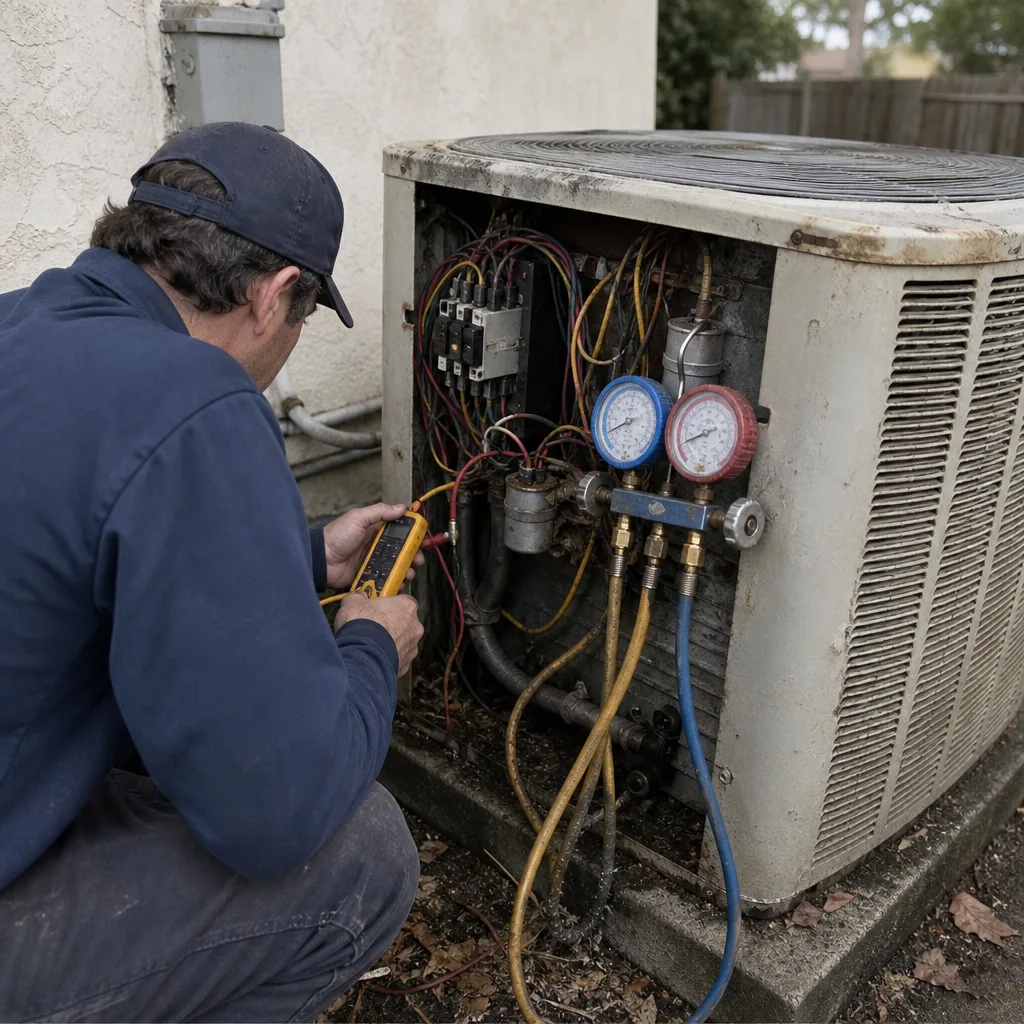
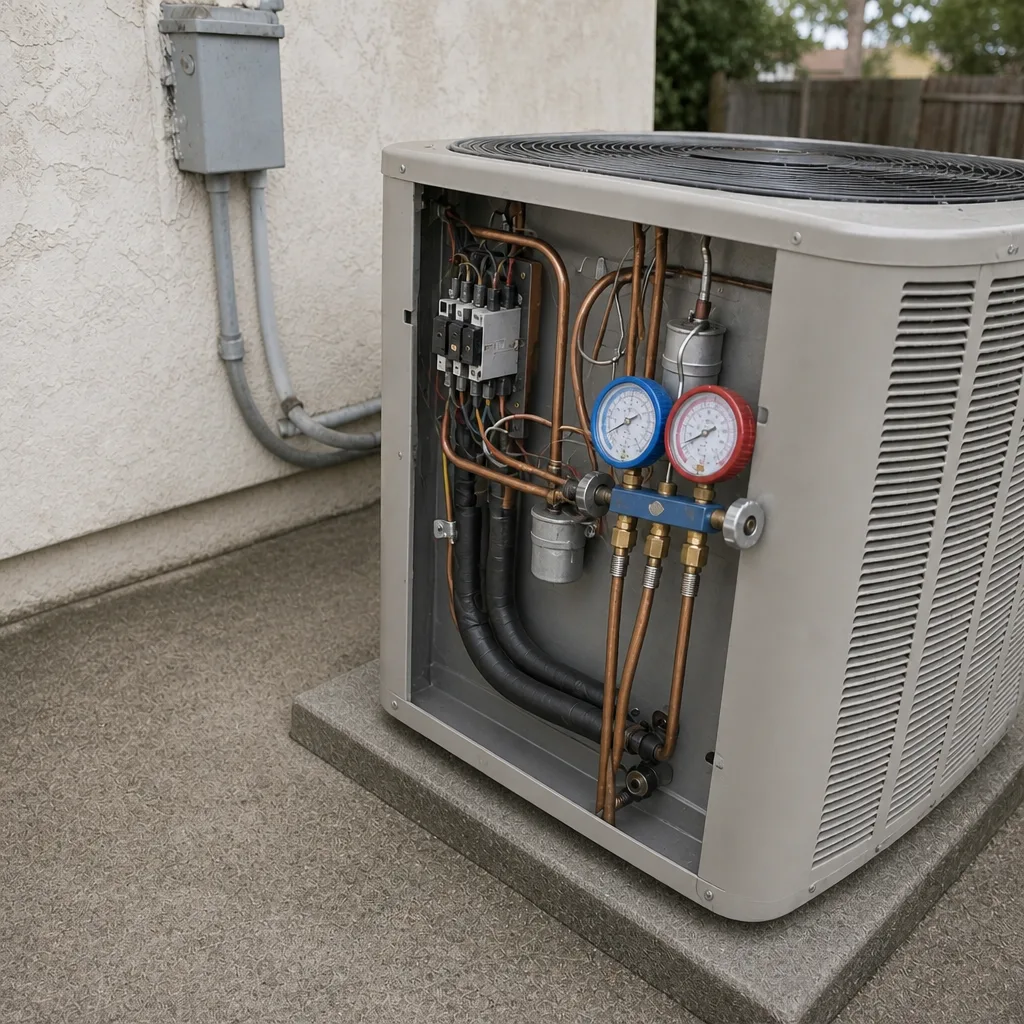
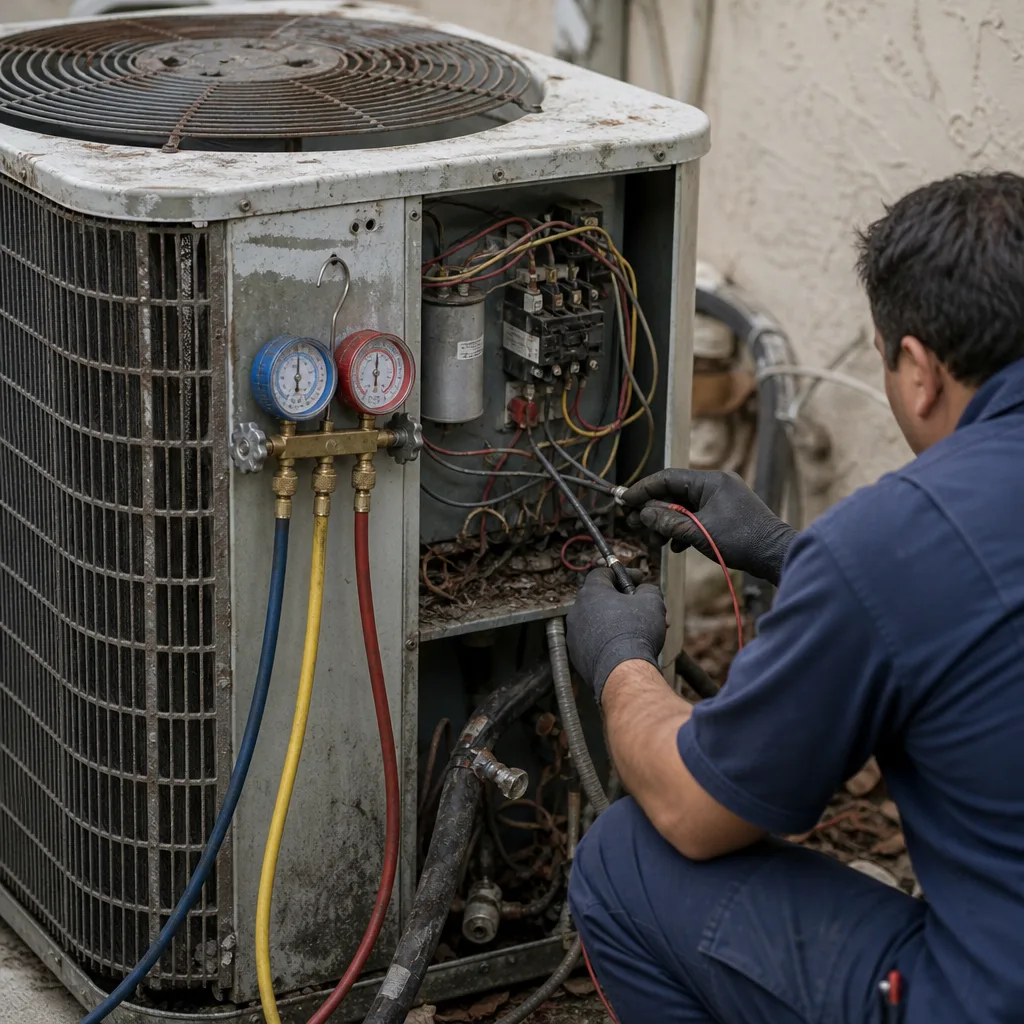
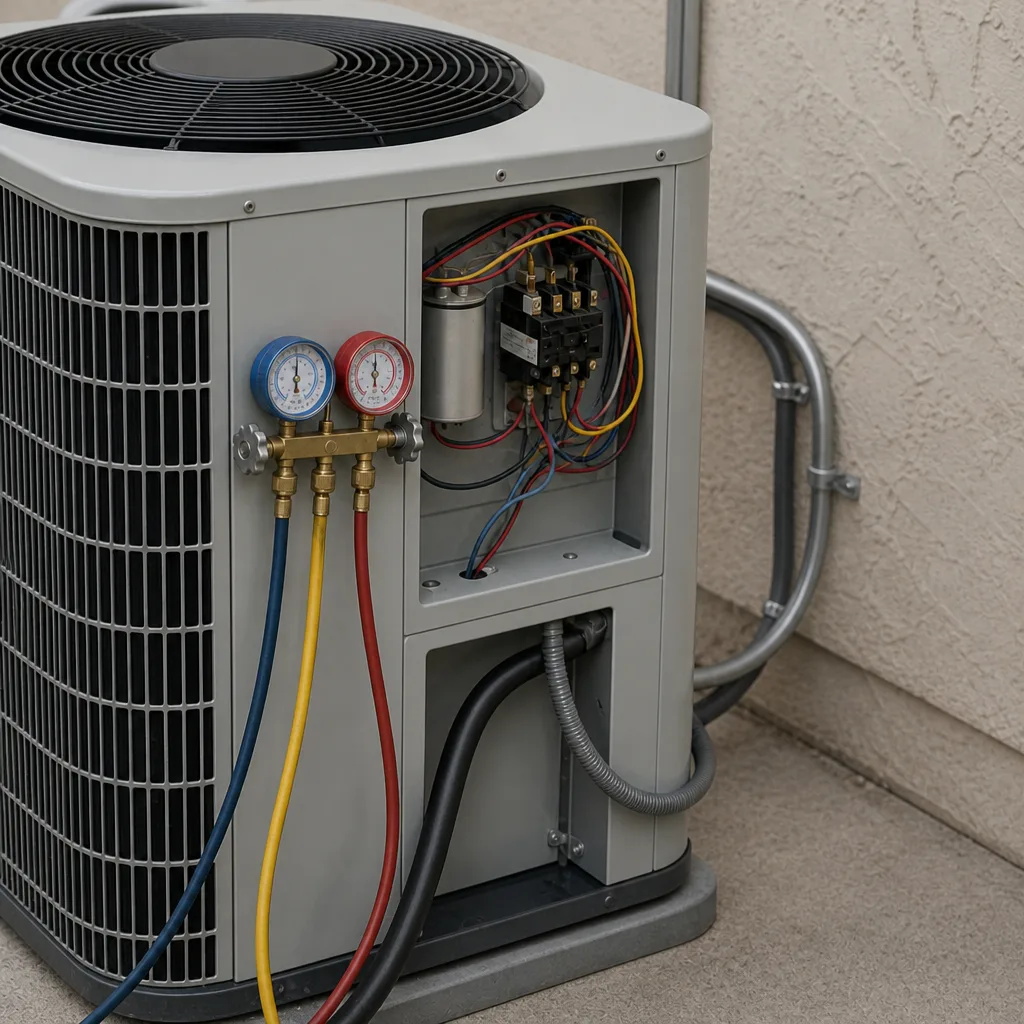
See the difference
 Before
 After
 Before
 After
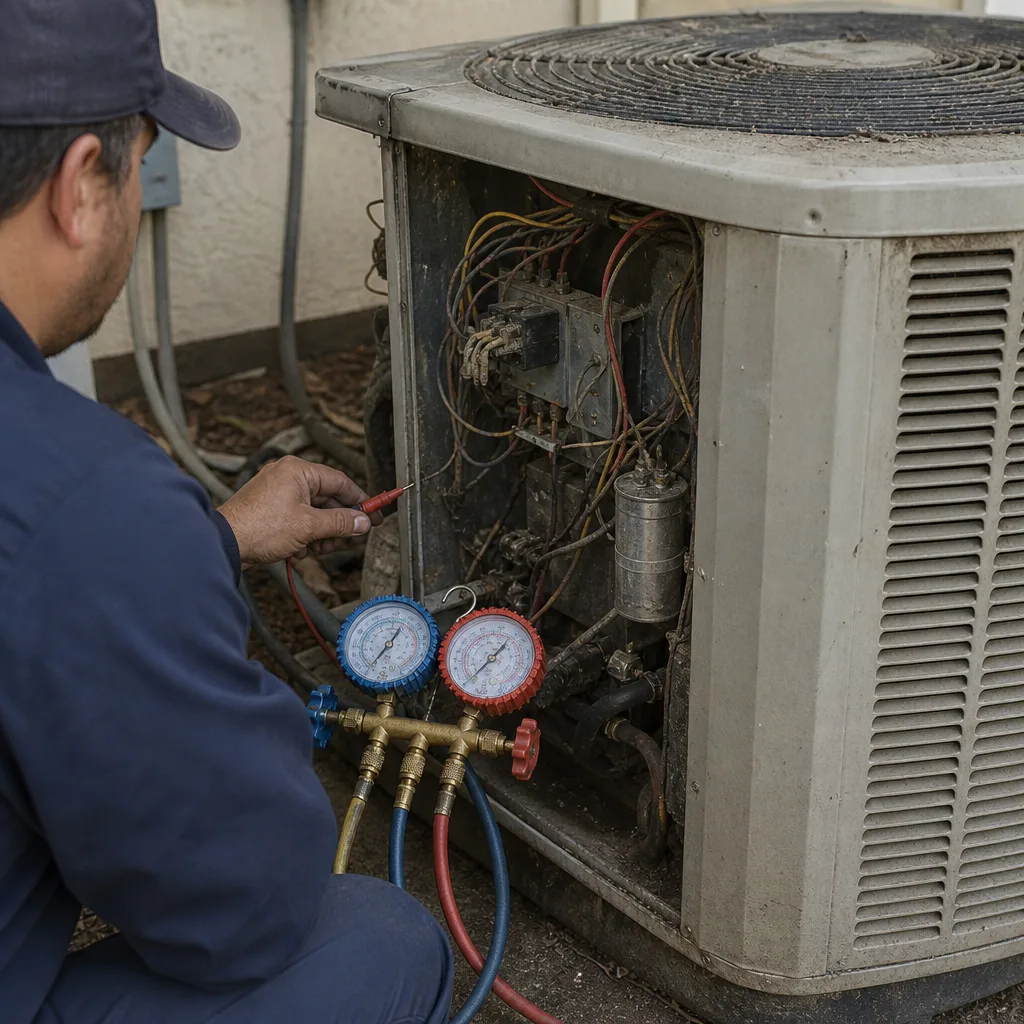 Before
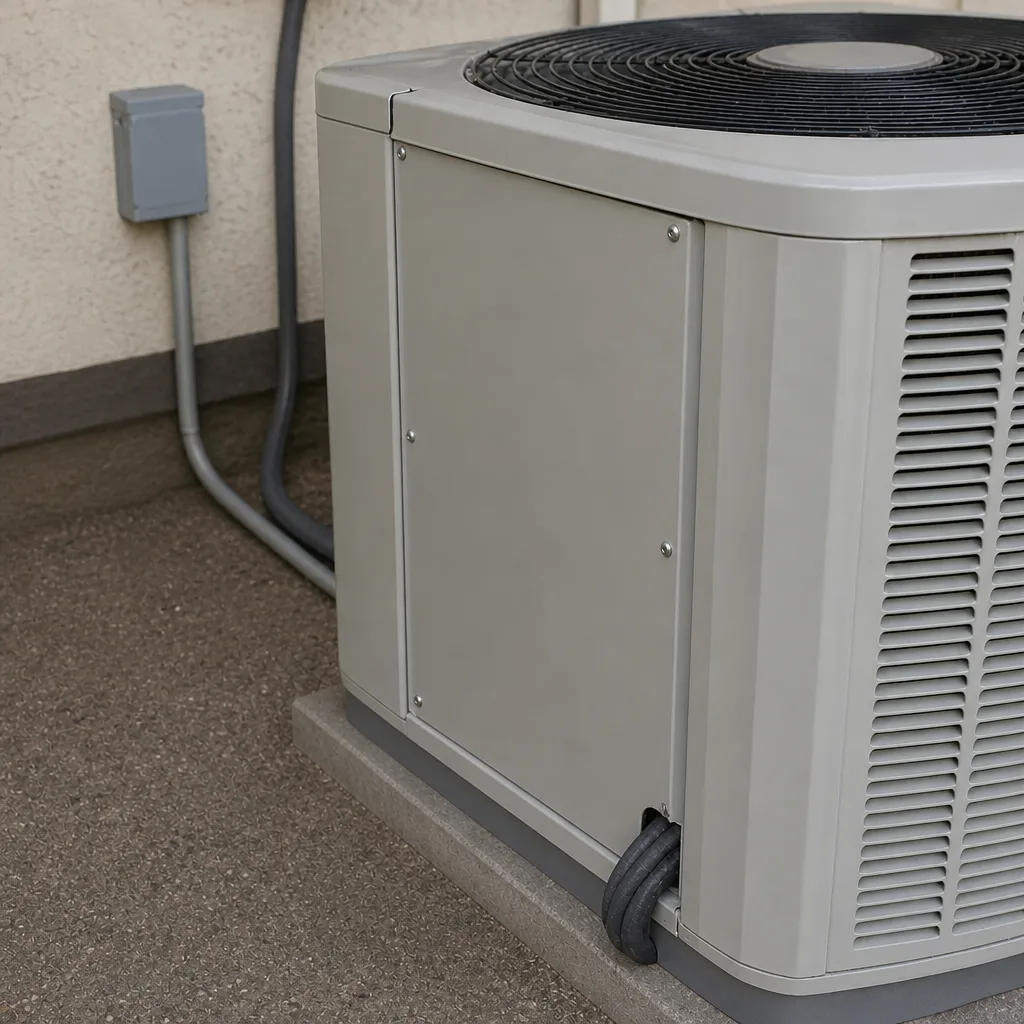 After
When to Call a Professional
Call a professional if the system is blowing warm air in cooling mode, if your heating side fails on a cold morning, if you hear grinding, rattling, or repeated short cycling, if indoor humidity climbs and stays high, or if you see condensation or mildew around ductwork. Also call if you’ve skipped the April-May or October-November window and the season is already here. Those are the calls that are cheaper to make earlier than later. Tidewater AC Repair offers free estimates in Boca Raton – call (855) 552-3403. We answer 24/7. Fast dispatch from 7am to 7pm, Sunday through Friday. Our technicians have up to experience and work on nine major brands, including York, Daikin, Bryant, and American Standard.
Frequently Asked Questions
April and May are the best months for cooling-side service in Boca Raton, because the outdoor temperature is mild enough to take the system down without discomfort and the work stays ahead of peak cooling season. The second-best window is October and November for the heating side. If you can, do both.
Yes. Even a heating system that runs a few weeks a year can fail on the first cold night, and that’s the night you don’t want to discover it. A heat pump reversing valve or a heat strip can sit unused since last January and still fail. The October-November window exists precisely so you can check it in comfort.
Every one to three months is the usual guidance, and homes in Boca Raton tend to sit at the shorter end because the cooling season is long and the outdoor unit runs hard. Check monthly through the peak summer months, and replace the filter during the April-May and October-November transitions as part of the seasonal tune-up.
High indoor humidity that continues after the cooling season usually points to one of three things: the system is short-cycling, it’s oversized for the space, or ductwork is losing conditioned air through gaps. Duct sealing and a proper humidity check at the next transition are the usual next steps. If it’s persistent, call (855) 552-3403 for a free estimate.
There’s no seasonal surcharge either way. The advantage of the spring or fall window is planning, not pricing: you get time to compare quotes, choose a system that fits your home, and set an install date without the pressure of a failed unit in peak heat or a cold snap. Pricing is set per job by the written estimate.
Before summer, clear at least two feet of space around the outdoor unit, remove leaves and debris from the base, and keep irrigation away from the coil. Then have the coil cleaned during the April-May tune-up. Because landscaping grows year-round in Boca Raton, this check needs repeating, not just once a year.
The Bottom Line
Boca Raton runs on two intense seasons and two transitional windows, and the transitions are where the work pays off. Service the cooling side in April and May before peak heat. Check the heating side in October and November before the cold snap. Handle duct, humidity, and landscaping tasks at both windows, because the growing season here doesn’t stop and neither does condensation. Skip the transitions and you’re doing maintenance during the hardest weeks of the year – the system runs harder, the schedule fills, and the small problems turn into expensive ones. The companies that stay in your corner all year are the ones who know both sides of your system. That’s how Tidewater AC Repair works: nine major brands, one call. Call (855) 552-3403 for a free estimate. We answer 24/7. Fast dispatch from 7am to 7pm, Sunday through Friday.
Written by the team at Tidewater AC Repair.